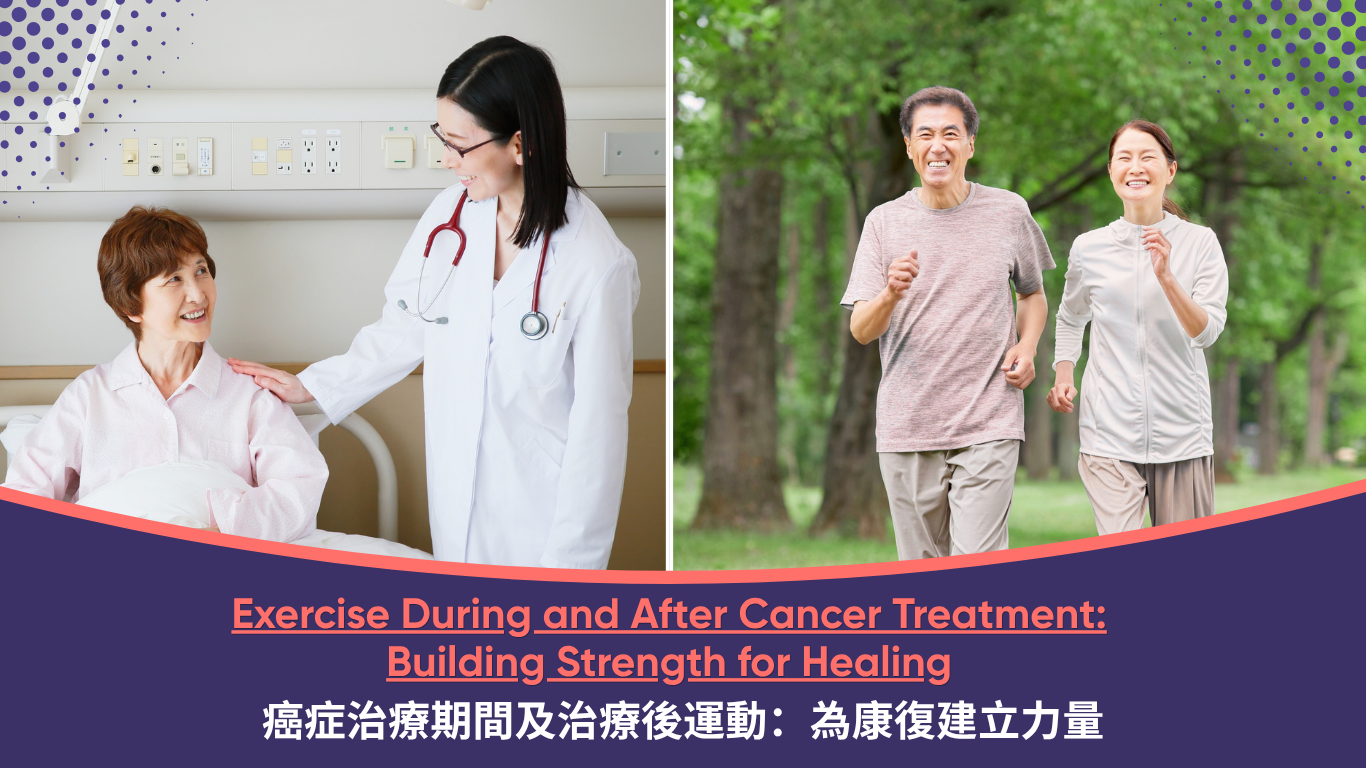
For people undergoing cancer treatment and for survivors, the right kind of physical activity can be a powerful way to support healing, improve overall well-being, and regain strength.
Why Exercise Matters for Cancer Patients and Survivors
Research shows that regular, safe exercise can:
- Reduce cancer-related fatigue, one of the most common side effects of treatment
- Improve strength, balance, and flexibility
- Boost mood and help reduce anxiety and depression
- Support heart and lung health
- Help maintain a healthy weight, which may reduce the risk of cancer recurrence
- Enhance overall quality of life
Staying active is not about pushing yourself too hard — it’s about helping your body stay as strong and resilient as possible.
Getting Started: Safe and Realistic Steps
Before beginning any exercise program, it is important to talk with your oncology team or healthcare provider. They can help you choose activities that are safe and appropriate for your individual needs.
Here are AFCR’s key tips for getting started:
- Start small: Even 5–10 minutes of light activity, such as gentle walking or stretching, can make a difference.
- Choose activities you enjoy: Walking, swimming, yoga, cycling, tai chi, and even gardening or light housework can all support recovery.
- Listen to your body: Some days will be better than others. Rest when needed but try to keep moving when you can.
- Build gradually: As your strength and confidence grow, slowly increase your activity time and intensity.
Sample Exercise Recommendations
- Aerobic exercise: Aim for moderate activities such as walking for about 20 minutes, 3–5 times per week.
- Strength training: Light resistance exercises, such as hand weights or resistance bands, 2–3 times per week.
- Flexibility and balance: gentle stretching or yoga daily to maintain range of motion and prevent falls.
Every step counts, whether it’s a walk around the block or light stretches at home.
Addressing Common Concerns
“I’m too tired to exercise.”—Starting with light activity can actually help reduce fatigue over time.
“I’m afraid I’ll get injured.” — When done gradually and with proper guidance, exercise is safe for most patients.
“It’s too late for me to start.” — It’s never too late. Gentle movement at any stage can benefit both body and spirit.
At AFCR, we believe every patient deserves the tools to live well during and after cancer treatment. Exercise, tailored to your needs and abilities, can play a meaningful role in your journey toward healing and hope.
Remember:
- Start where you are.
- Use what you have.
- Do what you can
Your body is stronger than you think. Every small effort builds a foundation for a healthier future.