As cancer research continues to advance, increasing attention is being placed on both prevention and early intervention—two complementary approaches that can significantly reduce the global burden of cancer.
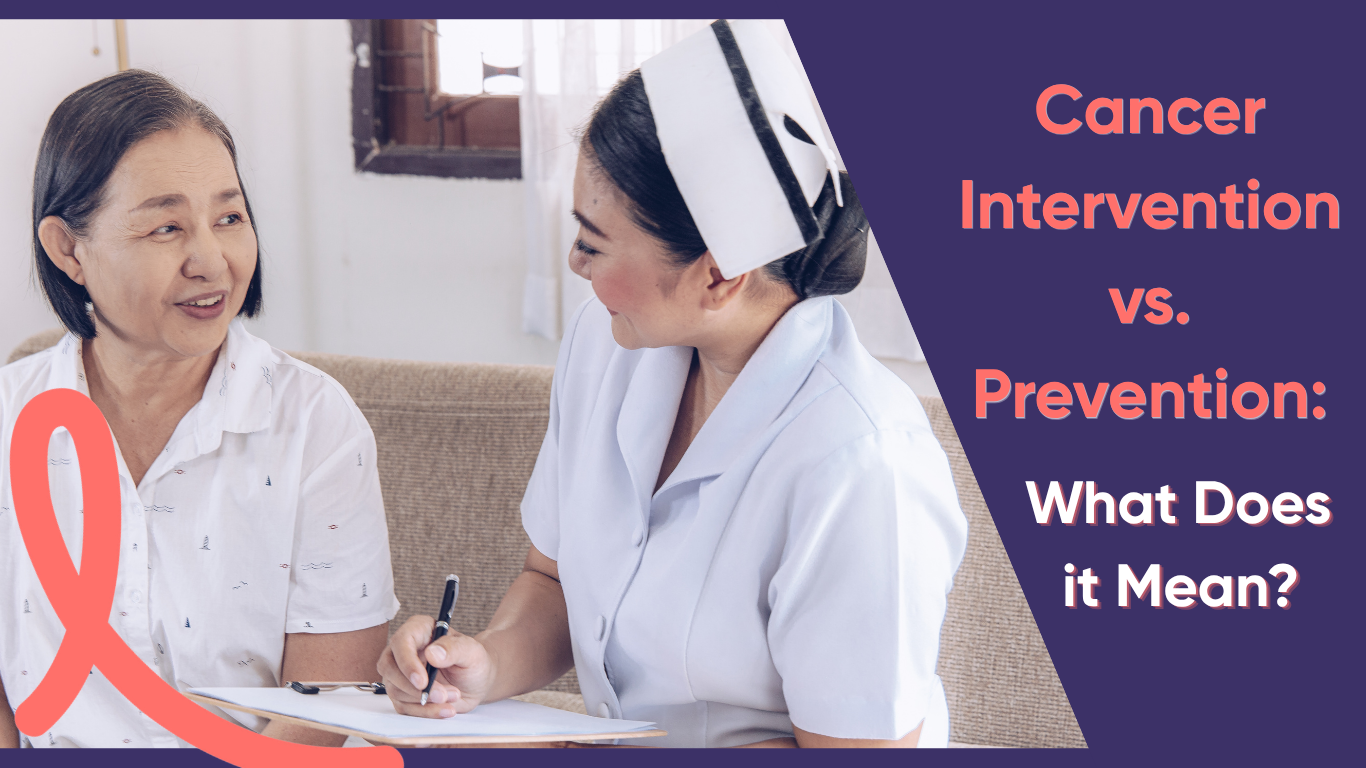
There are a few critical differences between intervening and preventing cancer.
What is Cancer Intervention?
Cancer intervention means finding and treating tumors at the earliest stages before extensive growth or spread. This involves:
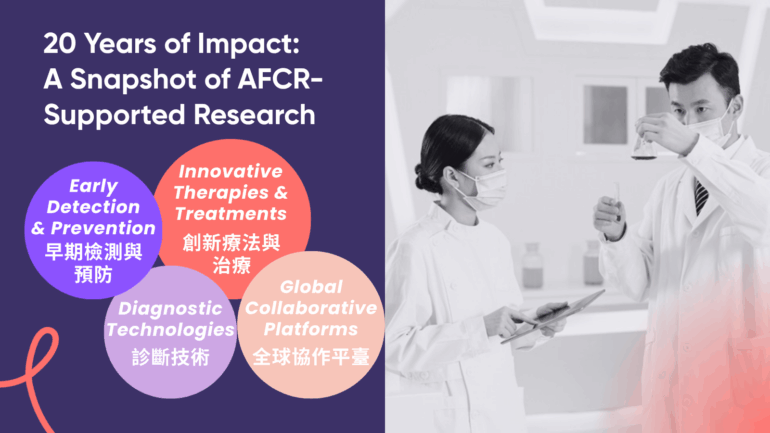
- Developing and advancing screening tests for microscopic tumors through enhanced imaging and new biomarkers. AFCR-Supported research is advancing detection technologies and identifying early molecular warning signs.
- Testing precision therapies tailored to destroy the first cancerous cells by targeting specific genetic changes. AFCR-Supported Researchers are developing innovative therapies designed to target cancer at its earliest stages.
- Investigating if lifestyle changes and medications can halt progression when precancerous abnormalities emerge.
- Intervening quickly when cellular abnormalities first appear can transform outcomes by stopping cancer before proliferation and metastasis.
What is Cancer Prevention?
Cancer prevention refers to approaches that proactively reduce the likelihood of developing the disease. This includes:
- Adopting lifestyle choices to avoid risk factors like tobacco use. Everyday prevention behaviors such as eating cancer-fighting foods and meeting physical activity guidelines can help the immune system fight off cancer.
- Undergoing regular screening exams, especially for high-risk populations with a family cancer history, to find and remove precancerous lesions before they turn malignant. AFCR provides recommendations on optimal early detection approaches.
- Minimizing intake of carcinogens, optimizing protective compounds, and supporting overall body function through a nutritious, balanced diet tailored to individual risks.
- Funding chemoprevention research on natural compounds or drugs that may lower risk.
Why Is It Critical to Focus Research on Early Intervention?
Prevention is the best weapon against cancer. Worldwide research studies over many years indicate roughly 30-40% of cancer diagnoses could be prevented by modest diet and lifestyle changes. AFCR publishes information about the role of balanced nutrition and dietary patterns in supporting overall health and reducing cancer risk. The goals are minimizing intake of carcinogens, optimizing protective compounds, and supporting overall body function through a nutritious, balanced diet tailored to individual risks.
Early screening enhancements for cancer help us find the first signs of cancer before it spreads and kills. However, once cancer is detected, intervening early allows scientists and clinicians to give patients a strong chance to destroy the first cancer cells present and eliminate cancer before advanced disease develops.
Boosted early screening and precision treatments tailored to the genetics of these initial cancer cells improve outcomes dramatically compared to late diagnosis. Finding and treating emerging tumors swiftly and thoroughly at the root cause will transform how we conquer humanity’s oldest diseases.
At AFCR, we believe that advances in early cancer intervention bring us closer to a future with fewer cancer deaths, as we continue advancing breakthroughs from Asia to the world.
The Future is Early
Early screening enhancements and therapies customized to root out the first signs of cancer provide hope that one day, lifelong management or even cure is possible. Continued advances in early detection and personalized therapies offer hope for a future where cancer can be more effectively prevented and managed. Finding and treating emerging tumors swiftly and thoroughly at the source will transform how we conquer humanity’s oldest diseases.
Source:
https://www.nfcr.org/blog/cancer-intervention-vs-prevention-what-does-it-mean/