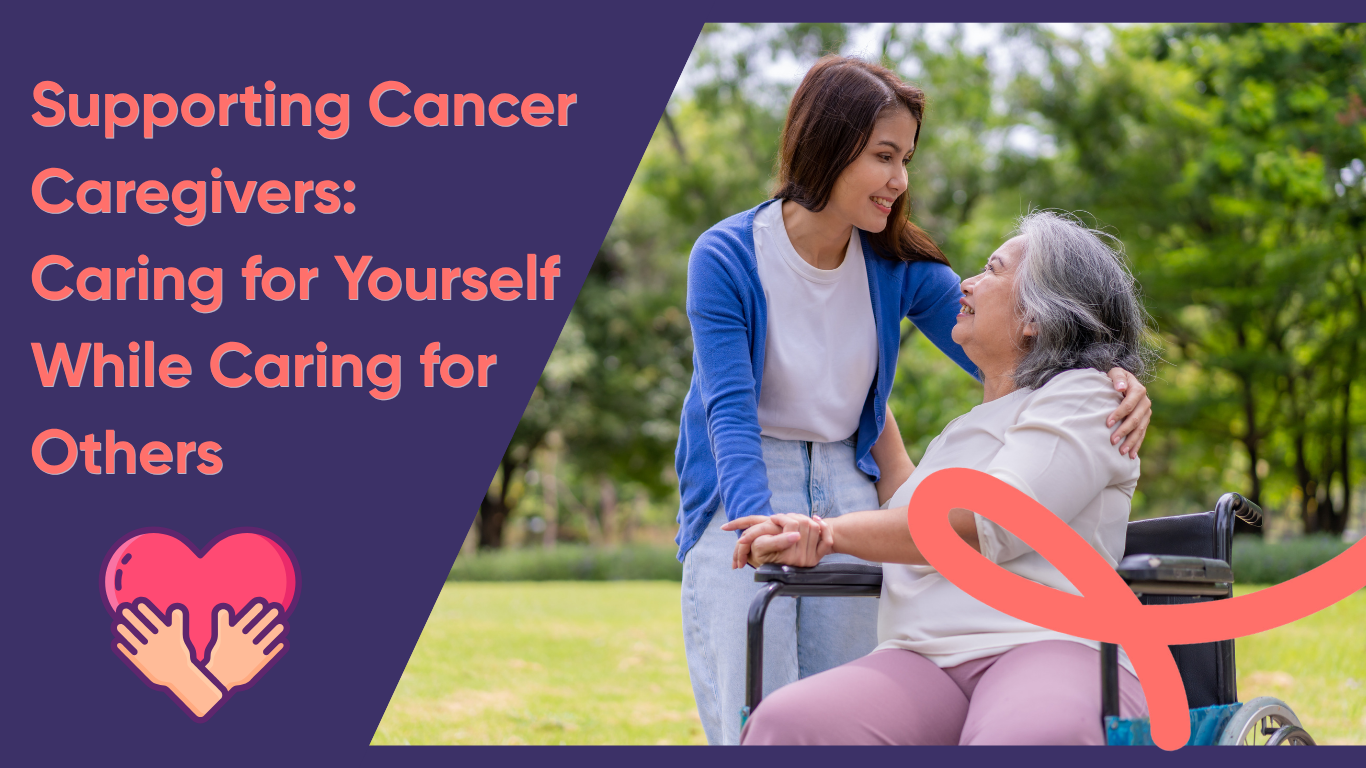
When a diagnosis of cancer is delivered to a patient, the effect is obviously traumatic. This trauma is not self-limiting. The people who love and care for those with cancer have their lives irrevocably impacted as well. Individuals often find themselves in a role they had never anticipated playing—that of caregiver to a seriously ill family member. Often demanding, this role rarely remains within the boundaries of prior comfort levels.
To all caregivers, thank you. Your compassion, dedication, and support make an extraordinary difference throughout the cancer journey. The following suggestions may help you care not only for your loved one, but also for yourself.
Acknowledge the New Normal
It can be difficult to accept the role of caregiver for someone you have always known as a capable, flourishing individual. It is important to recognize that each day may bring new challenges, whether physical, emotional, or practical. As a caregiver, remember that it is not your responsibility to solve every problem. Instead, remain sensitive to your loved one’s challenges and emotions, acknowledge them, and provide assistance where possible. You may not always know what to do, and that is okay. An adjustment period is a natural part of stepping into this new role. During the course of cancer treatment, the atmosphere of your home, your relationships, and even your finances may change as you adapt to new responsibilities.
Have a Network of Trusted Allies
Frequently, caregivers can convince themselves that they are solely responsible for every need of the one for whom they care. Certainly, doing things for your loved one is a commitment worth making, but it is wise to be sure that you have some trusted helpers who can step in when you need a break or simply aren’t able to do the task required. Such family members or friends must be reliable and understanding of the patient’s needs and limitations. These allies must feel safe to both the caregiver and the cancer patient. It is therefore wise to include the patient whenever possible in choosing whom to include in your network. Any proxy must fully understand their task and be willing to be a supportive part of the patient’s care plan. Having people who can help will allow you, primarily, some autonomy and latitude in a role that often puts your own needs second.
Take Care of Yourself
Be sure you are taking time to care for yourself as well. Keep your own medical appointments. Eat nutritious meals, get enough sleep, stay physically active when possible, and continue participating in activities or faith communities that bring you comfort and strength. If you are experiencing emotional strain, consider speaking with a social worker, counselor, or another qualified mental health professional. You are an essential part of your loved one’s cancer journey. Taking care of yourself allows you to be at your best—for both yourself and the person you care for.
Allow for thanks and acknowledgment of the good you are doing.
Take time to recognize the important role you play. Contrary to popular opinion, a study by the American Journal of Epidemiology of more than 3,500 caregivers over six years discovered that those caring for chronically ill loved ones did not necessarily experience increased health risks. Rather, they were found to have increased their life expectancy. Whether or not you hear “thank you” every day, know that your compassion, patience, and dedication make a lasting difference in your loved one’s life.
Know How to Communicate Effectively with the Healthcare Team
As a caregiver, it is imperative that you nurture a functional and open line of communication with your loved one’s medical team. Attend appointments as often as is practical. Be sure to have the conversation in front of your loved one with the doctor present, who affirms you are the trusted proxy and are to be included in major decisions. Do your best to be open when doctors suggest new courses of treatment and technologies. Don’t hesitate to ask the hard questions, and be persistent in making sure the doctor explains any new ideas or therapies to you in a manner that you can understand and easily share with your loved one if concerns should arise. Keep medical documentation organized for easy access and referral.
The role of caregiver is an incredible and self-sacrificial gift to a loved one. Joining them on the journey and struggle with cancer will give you the ability to love them in both the best and most difficult of circumstances. The cancer community would not be whole without your love and support.
Source:
https://www.nfcr.org/blog/encouragement-cancer-caregivers/