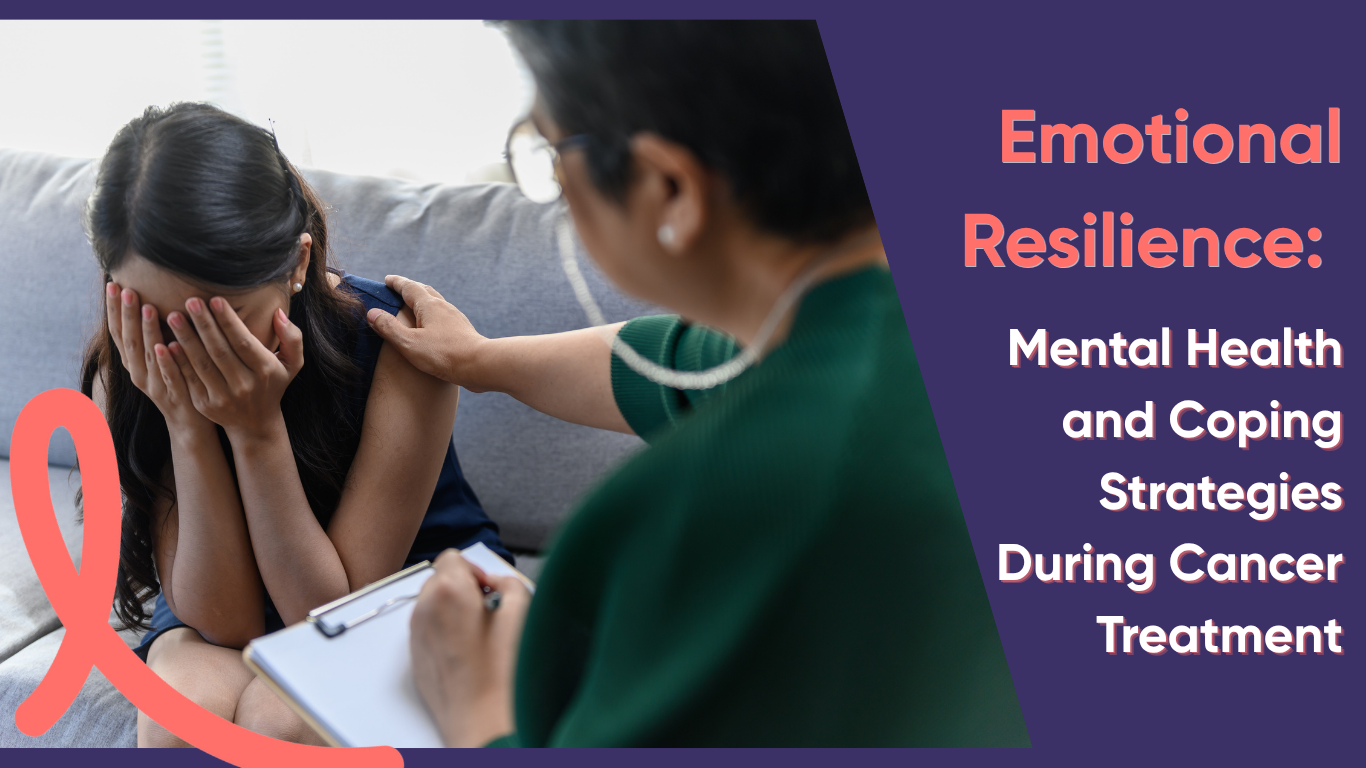
Cancer affects not only the body but also the mind and spirit. Building emotional resilience, the ability to adapt to challenging circumstances is a crucial part of the healing process.
Cancer patients often face anxiety, depression, and emotional distress. Recognizing these feelings and learning healthy ways to cope can make a meaningful difference in treatment outcomes and quality of life.
Why Emotional Health Matters
- Mental health is closely tied to physical recovery.
- Managing stress and emotions can improve immune function, increase treatment tolerance and enhance overall well-being.
- A strong emotional foundation empower you to make informed decisions and stay engaged in your care.
Common Emotional Challenges During Cancer Treatment
It us completely normal to experience a wide range of emotions during cancer treatment including:
- Anxiety: Worries about the future, side effects, or treatment outcomes.
- Depression: Feelings of sadness, hopelessness, or a loss of interest in daily activities.
- Fear: About recurrence, survival, or changes to daily life.
- Guilt or Anger: Over-needing help or explaining why the illness occurred.
- Trauma and Stress Reactions: Particularly following a sudden diagnosis or intensive treatment.
Recognizing these emotions early allows you to seek support before they become overwhelming.
Coping Strategies to Build Emotional Resilience
- Acknowledge Your Feelings: Give yourself permission to experience sadness, anger, or fear. Journaling or talking openly with trusted friends can help process difficult emotions.
- Stay Connected: Lean on family, friends, and your care team. Staying social connected — even through phone calls or online — reduces feelings of isolation.
- Use Support Groups: Many patients find strength in speaking with others who understand their experience. Support groups (in person or virtual), offer a safe space to share stories, advice, and encouragement.
- Consider Counseling or Therapy: Professional counselors, psychologists, and oncology social workers are trained to help patients navigate anxiety, depression, and adjustment challenges. Even short-term counseling during treatment can make a significant difference.
- Practice Stress-Reduction Techniques: Deep breathing exercises, mindfulness meditation, and gentle yoga can help calm the mind. Even a few minutes a day may help reduce anxiety and improve focus.
- Set Small, Achievable Goals: Accomplishing even small tasks (like taking a short walk or calling a friend) builds confidence and a sense of normalcy.
- Focus on What You Can Control: Treatment schedules, meal choices, and daily routines — focusing on what you can manage can help reduce helplessness.
Signs You May Need Additional Support
If you experience any of the following, consider speaking with your doctor or a mental health professional:
- Persistent sadness or hopelessness lasting more than two weeks
- Intense anxiety or panic attacks
- Loss of interest in activities you used to enjoyed
- Difficulty sleeping or eating
- Thoughts of harming yourself or others
There is no shame in asking for help. Mental health support is an important part of comprehensive cancer care.