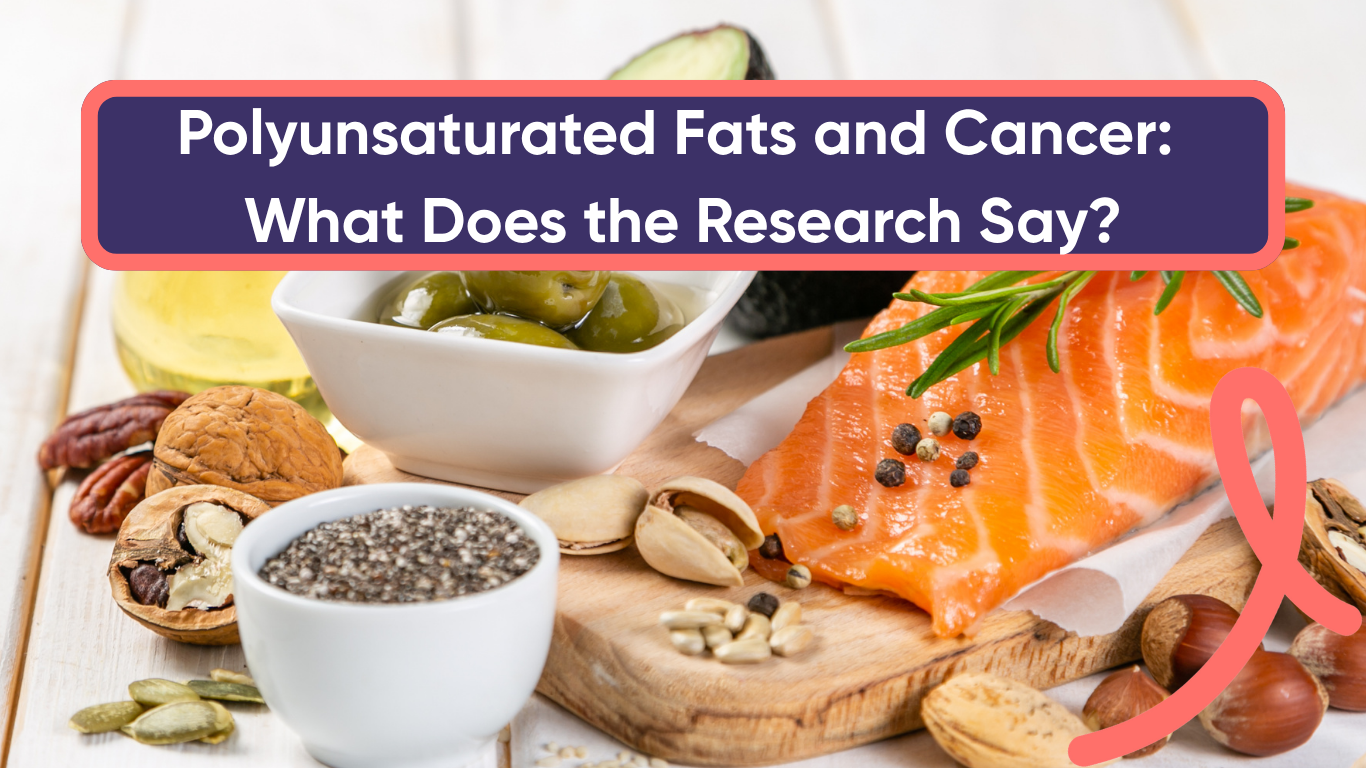
Over the past century, diets around the world have shifted toward higher consumption of PUFAs, or polyunsaturated fats. When we weaned ourselves off of saturated fats from animal sources, we replaced our cooking oils with an assortment of PUFAs from vegetable oils, soybean oils, and seed oils such as that from cotton seed.
These oils are frequently seen in the ingredient lists of commonly consumed food products. PUFA oils are also often used in restaurants as cooking oils, which adds to overall consumption of polyunsaturated fats. This prevalence also create a disproportionately high intake of n-6 polyunsaturated fats compared with n-3 polyunsaturated fats—an imbalance that has been linked to cancer risk.
At a cellular level, PUFAs play several important roles. Polyunsaturated fats help regulate important cellular activities such as cell metabolism, gene expression, and inflammation. These cellular activities are fundamental to maintaining healthy cells. However, despite research indicating that PUFA intake may have a carcinogenic effect, other studies on PUFA oils from marine sources have revealed beneficial effects.
This may be due to the fact that PUFAs have both inflammatory and anti-inflammatory characteristics that appear to mediate cellular activities, and the ratio of n-3 to n-6 can drastically alter the impact on cellular metabolism.
Vegetable and seed oils have much higher levels of n-6 and lower levels of n-3, likely triggering the carcinogenic effect. PUFA consumption from fish oil, however, has lower levels of n-6 and higher levels of n-3, which could provide a protective mechanism at the cellular level and reduce cancer risk.
As researchers conduct more studies to better understand how PUFAs impact cancer within the cell, we can learn how to leverage this knowledge for advancements in cancer treatment by administering nutritional therapies that optimize n-6 to n-3 ratios.
In the meantime, it may be beneficial to reduce daily intake of PUFAs from vegetable oils, soybean oils, and cottonseed oils that have extremely elevated levels of n-6.
Explore more on cancer prevention, nutrition and healthy living.
Source:
https://www.ncbi.nlm.nih.gov/pmc/articles/PMC3761560/
https://www.nfcr.org/blog/pufas-cancer/