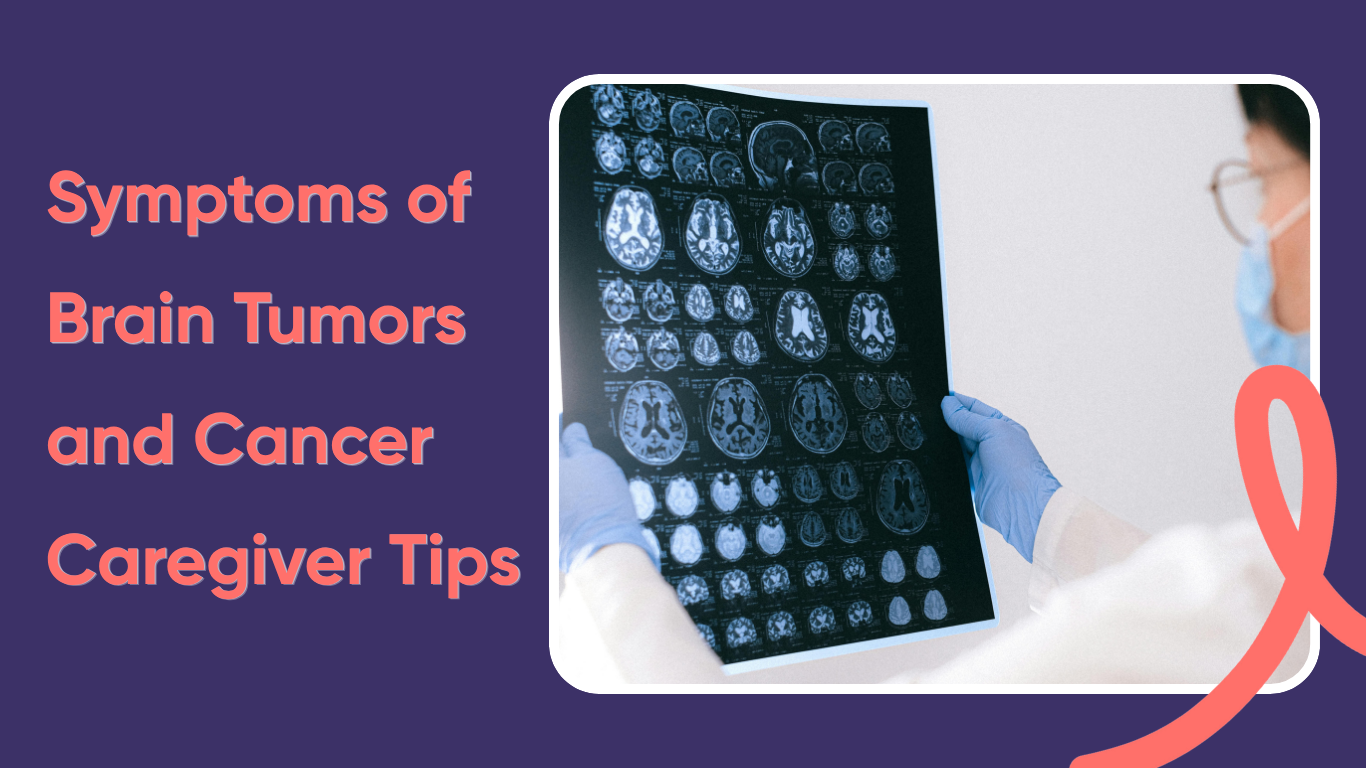
There are recognizable symptoms that help you provide better comfort and ease of day-to-day management. Symptoms of brain tumors can include:
• Muscle weakness or loss of balance • Headaches • Memory problems • Nausea and vomiting • Seizures • Speech problems • Loss of appetite • Blurred or double vision • Mood or personality changes • Changes in sensation • Numbness or tingling
Caregiver Tips for Someone Diagnosed with Glioblastoma (GBM) and Other Cancers
Tips for Improving Comfort
- Maintain a Familiar Environment: Keep background elements, like music or television, consistent and on if that is the patient’s preference.
- Identify and Honor Preferences: Learn which specific stories, books, or activities the person finds soothing and incorporate them regularly.
- Minimize Stressful Stimuli: Reduce loud noises and other disruptions that can cause agitation or discomfort.
- Provide Clear Information: Post simple instructions for visitors on how to recognize and respond to potential medical events, like seizures, to ensure everyone is prepared.
- Simplify Decision-Making: Offer limited choices instead of open-ended questions to reduce the burden of communication.
- Incorporate Joyful Activities: Engage in activities the person enjoys, such as singing, which can also double as beneficial breathing exercises.
- Prevent Physical Discomfort: For those with limited mobility, be proactive in skin care. Regularly apply protective cream to areas prone to sores from prolonged sitting or lying down.
Tips for Maintaining Movement and Mobility
Mobility challenges can affect one side of the body more than the other. Difficulty with movement is often a problem of neurological communication, not a lack of physical strength. Adapting your approach and tools can significantly improve accessibility and safety.
- Install Safety Features: Place grab bars in key areas like bathrooms and hallways as a fundamental safety precaution.
- Use Moving Aids: Employ furniture sliders under heavy items to easily clear pathways and create space for movement.
- Repurpose Everyday Objects: A rotating tray can be an effective aid. It can help a person pivot on their feet to safely change direction when standing.
- Leverage Simple Tools: Use towels placed under the person to reduce friction, making it easier to help them shift positions in bed or a chair. This is useful both at home and on the go.
- Choose Supportive Furniture: Opt for a power lift chair to help a person stand up and sit down independently. Furniture with smooth, low-friction surfaces (like leather) can also make transferring positions easier.
Tips for Facilitating Communication
- Simplify Conversations: Frame questions to be answered with a simple “yes” or “no” to make participation easier.
- Minimize Overstimulation: Prevent multiple people from talking at once, as this can be overwhelming and difficult to follow.
- Use Creative Guessing: Turn communication into a game by using gestures or asking clarifying questions to guess the word or thought the person is trying to express.
- Provide Alternative Tools: Keep communication aids, like a dry-erase board or notepad, readily available in different rooms to help bridge gaps in verbal communication.
- Celebrate Success: Acknowledge and celebrate the accomplishment when you successfully understand each other. This positive reinforcement reduces frustration and encourages continued effort.