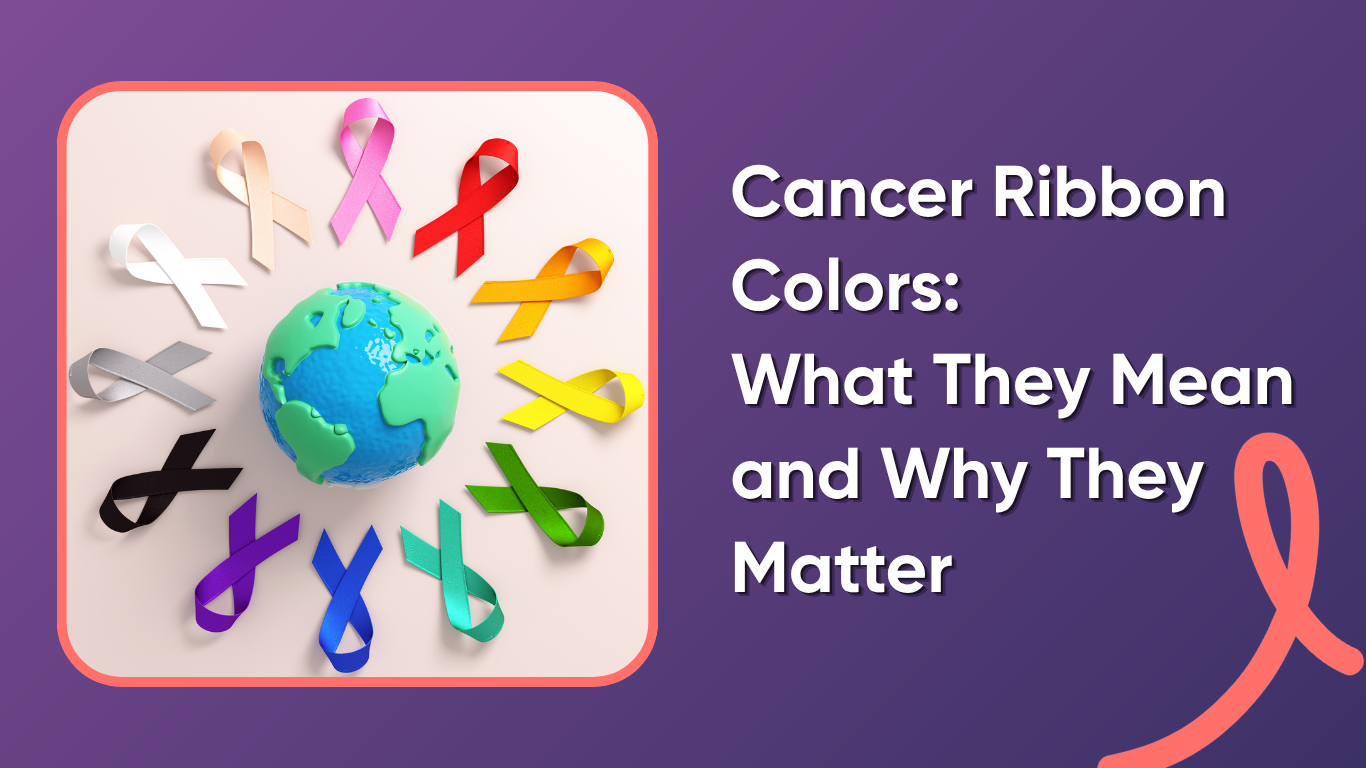
Awareness ribbons are powerful symbols in the fight against cancer. Each color represents a specific type of cancer and helps raise awareness, honor patients and survivors, and inspire action to support research.
While the pink ribbon for breast cancer is the most recognizable, there are dozens of ribbons representing different cancer types. Wearing or sharing these ribbons is a simple yet meaningful way to show support, raise awareness, and encourage early detection.
At the Asian Fund for Cancer Research Limited, we believe awareness is an important first step toward cancer prevention, earlier diagnosis, improved treatment, and continued research. Below is a guide to some of the most widely recognized cancer ribbon colors, the cancers they represent, and the months dedicated to raising awareness.
Pink – Breast Cancer
Awareness Month: October
The pink ribbon has become a universal symbol of breast cancer awareness, representing hope, strength, and the importance of early detection.
Variations include:
- Pink and Blue – Male Breast Cancer
- Pink, Teal and Green – Metastatic Breast Cancer
-
Hot Pink – Inflammatory Breast Cancer
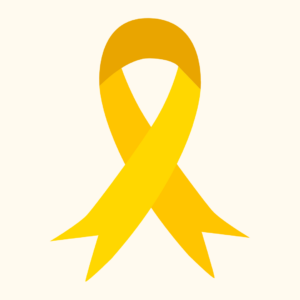
Gold – Childhood Cancer
Awareness Month: September
Gold symbolizes how precious children are. This ribbon represents all forms of childhood cancer and the urgent need for research to save young lives.
Gray – Brain Cancer
Awareness Month: May
Gray represents the brain’s “gray matter.” This ribbon raises awareness of both malignant brain cancers and noncancerous brain tumors that can significantly affect health and quality of life.
Orange – Leukemia & Kidney Cancer
Awareness Months: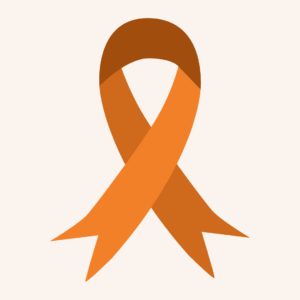 Leukemia – September Kidney Cancer – March
Orange ribbons represent two different cancer types: leukemia, a blood cancer affecting bone marrow and white blood cells, and kidney cancer.
Red – Blood Cancer
Awareness Month: September
The red ribbon represents blood cancers collectively, including:
- Leukemia (Orange)
- Hodgkin Lymphoma (Violet)
- Non-Hodgkin Lymphoma (Lime Green)
- Multiple Myeloma (Burgundy)
Burgundy – Multiple Myeloma
Awareness Month: March
This deep burgundy ribbon raises awareness for multiple myeloma, a cancer of the plasma cells in the bone marrow.
Violet – Hodgkin Lymphoma
Awareness Month: September
Violet ribbons are used to represent Hodgkin lymphoma, a highly treatable type of blood cancer that begins in the lymphatic system.
Lime Green – Non-Hodgkin Lymphoma
Awareness Month: September
Lime green ribbons raise awareness for non-Hodgkin lymphoma, which affects the lymphatic system through the abnormal growth of lymphocytes.
Light Blue – Prostate Cancer
Awareness Month: September
Light blue ribbons are used for prostate cancer, one of the most common cancers in men. Early detection through screening can be life-saving.
Dark Blue – Colorectal Cancer
Awareness Month: March
Dark blue ribbons represent colorectal cancer, which affects the colon or rectum. Awareness campaigns encourage regular screening, as colorectal cancer is often highly treatable when detected early.
Yellow – Sarcoma & Bone Cancer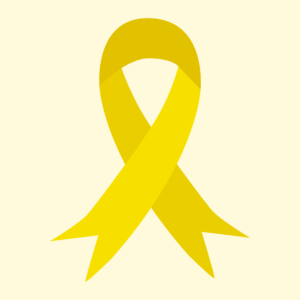
Awareness Month: July
Yellow ribbons symbolize sarcomas, a group of cancers that develop in bones or connective tissues such as muscle, fat, cartilage, and blood vessels, as well as primary bone cancers.
Black – Skin Cancer / Melanoma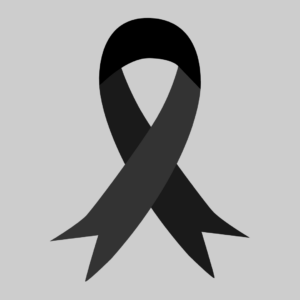
Awareness Month: May
Black ribbons are used to raise awareness of melanoma and other forms of skin cancer, encouraging sun safety and early detection through skin checks..
Pearl or White – Lung Cancer
Awareness Month: November
Pearl or white ribbons symbolize lung cancer awareness. This type of cancer is the second most common in the U.S. and is responsible for a significant portion of cancer-related deaths.
Purple – Pancreatic Cancer
Awareness Month: November
Purple ribbons are widely recognized for pancreatic cancer, a disease that is challenging to detect early. The ribbon is a symbol of hope and advocacy for improved treatments.
Teal – Ovarian Cancer
Awareness Month: September
Teal ribbons bring attention to ovarian cancer, a disease often diagnosed at a later stage due to subtle symptoms.
White and Teal – Cervical Cancer
Awareness Month: January
This two-toned ribbon represents cervical cancer. Early detection through regular screenings, like Pap tests and HPV tests, has significantly improved outcomes.
Peach – Uterine / Endometrial Cancer
Awareness Month: September
Peach ribbons raise awareness for cancers of the uterus, including endometrial cancer.
Amber – Appendix Cancer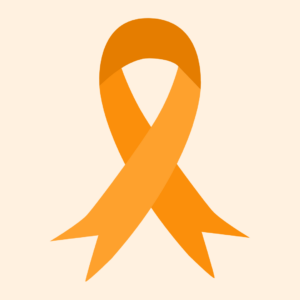
Awareness Month: August
Amber ribbons represent rare appendix cancers. Awareness helps promote research for less common cancers that receive limited attention.
Emerald Green – Liver Cancer
Awareness Month: October
Emerald green ribbons symbolize liver cancer awareness. Liver cancer often develops in those with chronic liver disease or hepatitis.
Light Purple – Testicular Cancer
Awareness Month: April
Light purple ribbons bring awareness to testicular cancer, which is most common in men ages 15–44.
Zebra Print – Carcinoid & Neuroendocrine Tumors
Awareness Month: November
Zebra-striped ribbons are used for carcinoid cancers and neuroendocrine tumors, highlighting the rarity and complexity of these cancers.
Lavender – All Cancers
Lavender ribbons represent all cancers collectively. Wearing or displaying this ribbon shows support for everyone touched by cancer.
Why Cancer Ribbons Matter
Cancer awareness ribbons are more than colorful symbols—they:
- Honor patients, survivors, caregivers, and loved ones affected by cancer.
- Increase public awareness of different cancer types and their risk factors.
- Encourage cancer prevention, early detection, and appropriate screening.
- Inspire support for life-saving cancer research and innovation.
At the Asian Fund for Cancer Research Limited, we believe that greater awareness leads to greater action. By learning what these ribbons represent and sharing their stories, you can help support cancer education, inspire research, and bring hope to patients and families across Asia and around the world.
Take action today to support cancer research and share this blog to spread awareness.
Explore our website to learn more about cancer prevention and healthy living resources…
Together, we can transform awareness into action and bring us closer to a future free from cancer.
Source:
https://www.nfcr.org/blog/cancer-ribbon-colors-and-what-they-represent/