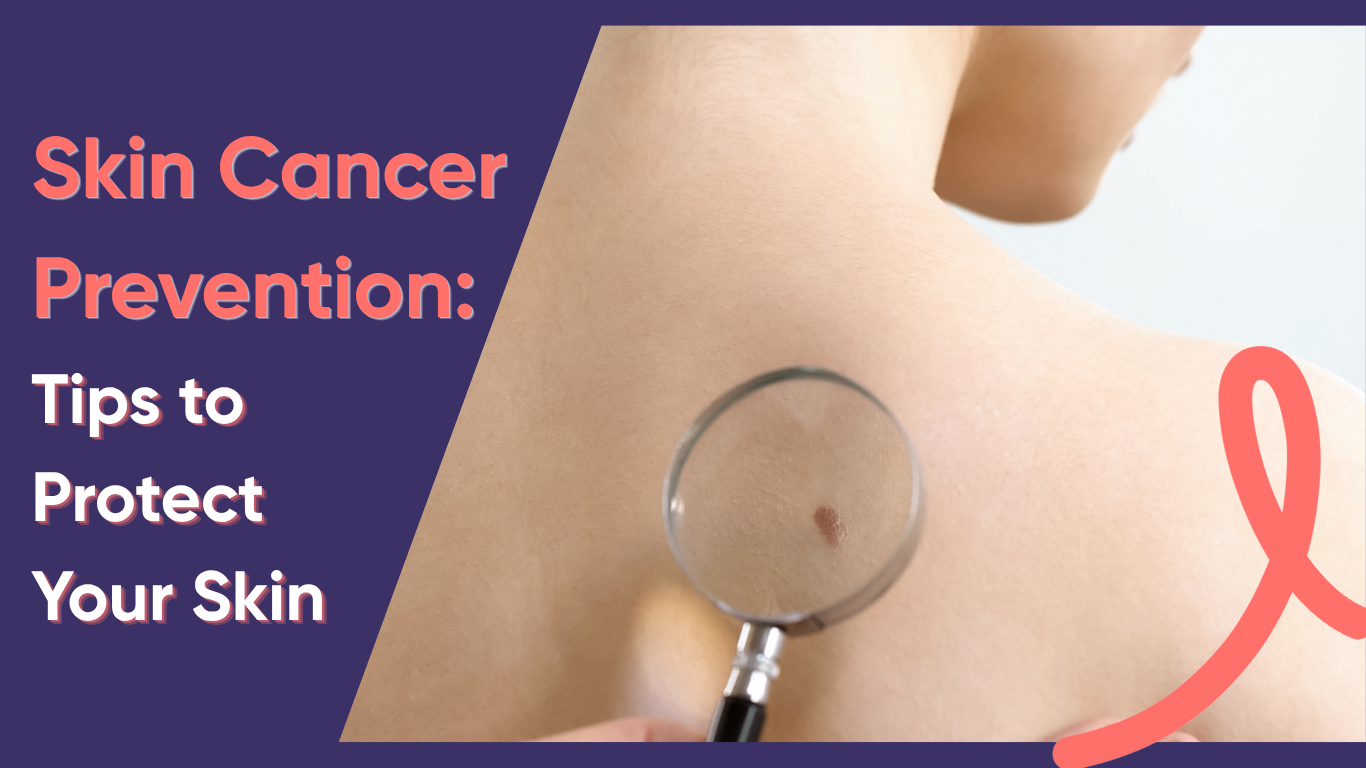
Most skin cancers are associated with overexposure to ultraviolet (UV) radiation, including both UVA and UVB rays. UV radiation can damage the DNA in skin cells. When this damage affects genes that control skin cell growth, skin cancer may develop.
Here are some simple steps you and your family can take to help protect your skin.
Use Sunscreen Properly
- Choose Wisely. Select a broad-spectrum, water-resistant sunscreen with a Sun Protection Factor (SPF) of at least 30, especially if you spend extended time outdoors. Broad-spectrum sunscreen helps protect against both UVA and UVB rays and may reduce the risk of skin cancer, sunburn, and premature skin aging.
- Apply Generously and Early. Apply about 30 mL of sunscreen to cover the entire body. Apply sunscreen 30 minutes before you are in the sun so it has time to form an even protective layer on your skin.
- Reapply Frequently. Every two hours, even on cloudy days, and after swimming, sweating, toweling, or showering. If you are in the water for longer than 40 minutes, reapply, since even water-resistant sunscreen loses its effectiveness.
- Empty Your Bottle Quickly. Note the expiration date of the sunscreen bottle. After 3 years, the original strength may have decreased.
- Store your sunscreen correctly. Keep the container from excessive heat and direct sun by storing it the shade—such as in a cooler or wrapped in a towel.
Wear Protective Clothing
Clothing can provide an extra layer of protection from UV rays. The tighter the weave, the more protection. If you can see light through clothing while holding up to light, then there is not much protection. Wear sunglasses and be sure they are UV-blocking.
Protect Your Lips
Always wear lip balm or lipstick with a minimum SPF of 15 or higher. Take special care to protect the lower lip, which receives the most direct sunlight.
Be Extra Careful Around Reflective Surfaces
Use extra caution near water, snow and sand as they reflect around 80% of solar UV radiation—nearly doubling your exposure.
Avoid Tanning Beds
Avoid tanning lamps and tanning beds, which also expose the skin to harmful UV radiation. If you prefer the appearance of a tan, consider using sunless self-tanning products instead. Remember that self-tanning products do not provide sun protection, so sunscreen is still necessary when outdoors.
Protecting your skin is an important part of maintaining your overall health. Simple daily habits—such as using sunscreen, wearing protective clothing, avoiding excessive UV exposure, and checking your skin regularly—can help reduce your risk of skin cancer.
When Should You Be Concerned About a Mole?…
- One half doesn’t match the appearance of the other half.
- Border irregularity. The edges are ragged, notched or blurred.
- The color (pigmentation) is not uniform. Shades of tan, brown and black are present. Dashes of red, white and blue add to a mottled appearance.
- The size of the mole is greater than 6 mm, or continues to grow.
- There is a change in the size, shape, symptoms (such a itching or tenderness), surface (especially bleeding) or color of a mole.
If you notice any of these signs or other unusual changes to your skin, consult a healthcare professional.
Source:
https://www.nfcr.org/blog/skin-cancer-prevention-follow-these-skincare-tips/