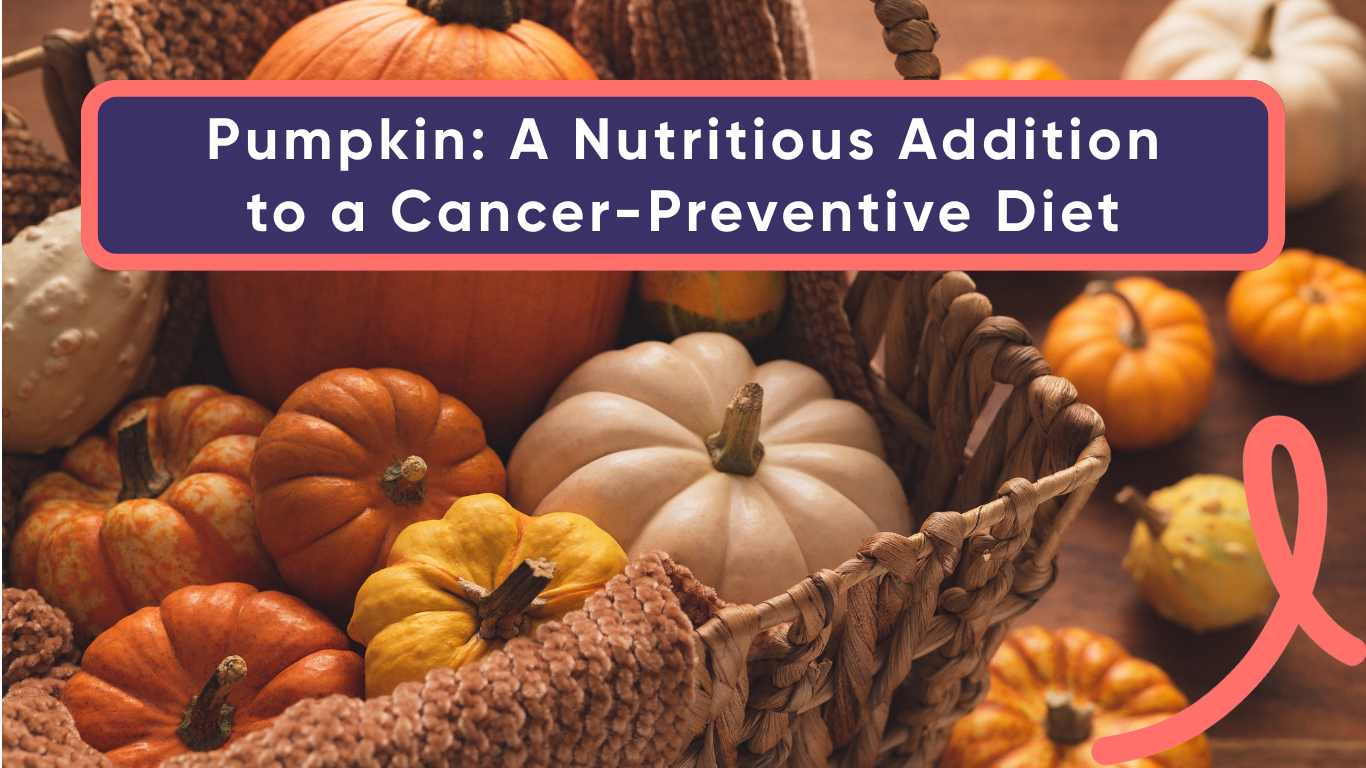
As autumn arrives, pumpkins begin appearing in seasonal decorations and dishes, bringing a familiar touch of the season. Beyond their seasonal appeal, pumpkins are a versatile ingredient in many cuisines. In Asia, they are used in a variety of dishes, from soups and steamed preparations to curries and desserts. Their natural sweetness makes them easy to incorporate into everyday meals.
With many different varieties of pumpkins, ranging from squash-like varieties to classic jack-o’-lanterns, they offer great versatility in the kitchen. In addition to being tasty, pumpkins are a nutritious addition to a balanced diet, as they contain antioxidants and other essential nutrients.
Carotenoids and Cancer Risk
Many orange-fleshed pumpkin varieties contain carotenoids, including beta-carotene, which are naturally occurring pigments commonly found in yellow and orange foods. These compounds have antioxidant properties that help protect cells from damage caused by free radicals. Many researchers have found that people who consume a higher percentage of carotene and beta-carotene have a significantly lower risk of cancer in the stomach, throat, pancreas, and breast when compared with people who consume lower percentages.
Vitamin A and Skin Health
Beta-carotene can also be converted by the body into vitamin A, an essential nutrient. Vitamin A plays an important role in many bodily functions, including maintaining healthy vision and supporting immune function. A research also examined the relationship between vitamin A intake and skin cancer risk. Researchers followed participants for up to 26 to 28 years and found that those with higher vitamin A intake had a lower risk of developing cutaneous squamous cell carcinoma, a type of skin cancer.
Dietary Fibre and Colorectal Cancer Risk
Fiber is another beneficial nutrient found in pumpkin. Fiber supports digestive health and helps maintain regular bowel movements. Research has also found that diets rich in fiber are associated with a lower risk of colorectal cancer. Including pumpkin alongside other fiber-rich foods, such as wholegrains, fruits, vegetables and beans, can contribute to a healthy, balanced diet.
Explore More Cancer-Fighting Foods…